

- A high-protein diet helps you lose weight by controlling hunger, boosting metabolism, and preserving lean muscle mass.
- The 7-day protein-focused plan is designed to be simple, balanced, and sustainable rather than restrictive.
- Eating protein at every meal helps stabilize blood sugar levels and reduce cravings throughout the day.
- Whole, minimally processed protein sources deliver better results than relying on packaged diet foods.
- Including healthy carbohydrates and fats supports energy, hormone balance, and long-term consistency.
- Maintaining protein-focused eating habits after the 7 days is essential for preventing rebound weight gain.
Losing weight does not have to mean starving yourself, cutting out all your favorite foods, or following extreme crash diets. A well-balanced, protein-focused eating plan can help you lose fat while preserving muscle, keeping your metabolism active, and controlling hunger. For many people, this type of structured approach feels similar in simplicity to following a specific HCG diet menu, but without the extreme calorie restriction. Protein is widely recognized as the most satiating macronutrient, making it easier to reduce calorie intake without constant cravings.
This guide presents a complete, realistic, and sustainable approach to using a high-protein diet for short-term fat loss. You will learn how protein supports weight management, how to structure your meals, what foods to prioritize, and how to follow a simple 7-day plan that encourages healthy habits rather than temporary fixes.
Why a High-Protein Diet Is Effective for Weight Loss
A high-protein diet is one of the most effective strategies for weight loss because it addresses the main challenges people face when dieting: hunger, muscle loss, and slow metabolism. When you increase your protein intake, your body naturally burns more calories during digestion, and you feel fuller for longer periods. This makes it easier to eat fewer calories without feeling deprived.
Unlike rigid programs that rely on strict rules similar to an HCG diet protocol, a protein-focused plan gives your body adequate fuel while still promoting fat loss. Protein also plays a key role in maintaining lean muscle mass. Preserving muscle is critical during weight loss because muscle tissue keeps your metabolic rate higher. By combining adequate protein intake with balanced meals, you can support fat loss while maintaining strength, energy, and overall health. This makes high-protein plans suitable not just for quick results, but for long-term lifestyle changes.
How Protein Helps Burn Fat
Protein increases thermogenesis, which is the number of calories your body burns while digesting food. It also stabilizes blood sugar levels, preventing spikes and crashes that often lead to overeating. Over time, these benefits contribute to consistent and sustainable fat loss.
Protein and Appetite Control
Protein slows digestion and promotes the release of hormones that signal fullness. This reduces cravings and late-night snacking, two of the most common barriers to successful weight loss.
Understanding the 7-day protein diet plan for weight loss
A 7-day protein-focused plan is designed to jumpstart fat loss while encouraging healthier eating habits. Unlike crash diets that eliminate entire food groups, this plan emphasizes balance, portion control, and nutrient-dense foods. The short-term structure provides clarity and motivation, helping you stay on track without confusion about what to eat.
This type of plan includes lean protein sources, vegetables, healthy fats, and controlled portions of carbohydrates. Focusing on whole foods and simple meal combinations supports steady energy levels and minimizes the risk of nutritional deficiencies. Over seven days, you can establish habits that can be continued long after the week ends.
What Makes a 7-Day Plan Sustainable?
Sustainability comes from flexibility and simplicity. Meals are easy to prepare, ingredients are widely available, and portions are realistic for daily life.
Who Should Follow This Plan?
This plan is ideal for adults looking to lose weight, reduce cravings, and improve overall eating habits. It can be adjusted for different calorie needs and food preferences.
What Foods Should You Eat on a High-Protein Plan?
 fcalori
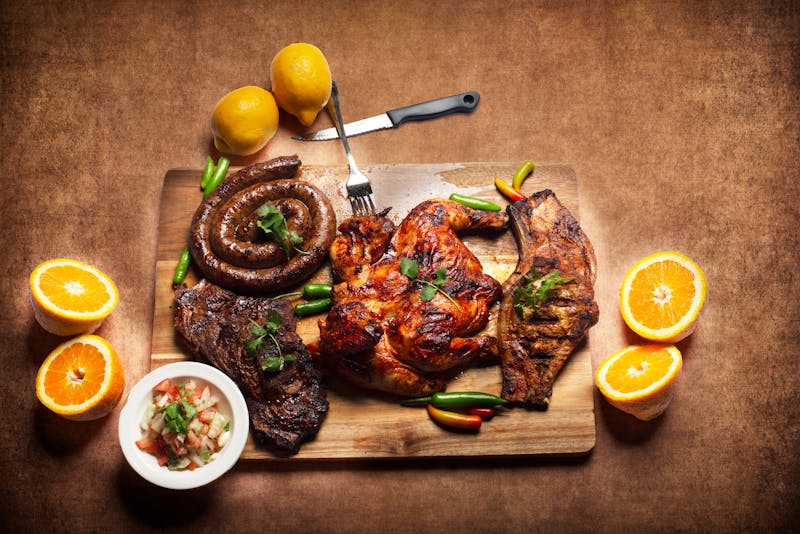
Choosing the right foods is essential for maximizing the benefits of a protein-focused diet. Whole, minimally processed foods provide better satiety and more nutrients than packaged alternatives. By prioritizing high-quality protein sources, fiber-rich vegetables, and healthy fats, you can maintain balanced nutrition while reducing calories.
Including a variety of foods also helps prevent boredom and ensures you receive essential vitamins and minerals. A well-rounded approach supports digestion, energy levels, and overall wellness, making weight loss more comfortable and sustainable.
High-Protein Food Choices
- Skinless chicken breast
- Turkey and lean beef
- Eggs and egg whites
- Fish such as salmon, tuna, and cod
- Greek yogurt and cottage cheese
- Tofu, tempeh, and legumes
Supporting Foods
- Leafy greens and cruciferous vegetables
- Berries and low-sugar fruits
- Nuts, seeds, and olive oil
- Whole grains in moderate portions
How Much Protein Do You Need Each Day?
Determining your daily protein needs helps ensure your diet supports both fat loss and muscle maintenance. While individual needs vary, most weight-loss-focused plans recommend consuming between 0.6 to 0.8 grams of protein per pound of lean body weight. This range supports muscle preservation while promoting fat loss.
Spreading protein intake evenly across meals is also important. Instead of consuming most of your protein in one meal, dividing it into smaller portions throughout the day helps stabilize blood sugar and maintain consistent energy levels.
General Protein Guidelines
- Aim for protein in every meal and snack
- Include 20 to 30 grams per meal
- Adjust intake based on activity level
Your 7-Day High-Protein Meal Plan
Following a structured meal plan eliminates guesswork and supports consistency. The following sample plan offers balanced meals that prioritize protein while including vegetables, healthy fats, and moderate carbohydrates. Portions can be adjusted based on your calorie needs.
Day 1
- Breakfast: Scrambled eggs with spinach and whole-grain toast
- Lunch: Grilled chicken salad with olive oil dressing
- Dinner: Baked salmon with roasted vegetables
- Snack: Greek yogurt with berries
Day 2
- Breakfast: Protein smoothie with almond milk and banana
- Lunch: Turkey lettuce wraps
- Dinner: Stir-fried tofu with mixed vegetables
- Snack: Cottage cheese
Day 3
- Breakfast: Omelet with mushrooms and tomatoes
- Lunch: Quinoa bowl with chickpeas and grilled chicken
- Dinner: Lean beef stir-fry
- Snack: Apple with peanut butter
Day 4
- Breakfast: Greek yogurt parfait
- Lunch: Tuna salad with mixed greens
- Dinner: Baked cod with steamed broccoli
- Snack: Hard-boiled eggs
Day 5
- Breakfast: Protein pancakes
- Lunch: Lentil soup with side salad
- Dinner: Grilled turkey burgers
- Snack: Protein shake
Day 6
- Breakfast: Cottage cheese with pineapple
- Lunch: Chicken and avocado wrap
- Dinner: Shrimp stir-fry
- Snack: Nuts and seeds
Day 7
- Breakfast: Smoothie bowl
- Lunch: Grilled salmon salad
- Dinner: Baked chicken with quinoa
- Snack: Yogurt
Can You Still Eat Carbohydrates and Fats?
Many people believe weight loss requires eliminating carbohydrates and fats completely. However, both macronutrients play important roles in overall health. Carbohydrates provide energy, while healthy fats support hormone balance and nutrient absorption. The key is choosing quality sources and controlling portion sizes.
Including complex carbohydrates and unsaturated fats ensures your body receives essential nutrients while preventing extreme cravings. Balanced meals help you feel satisfied and energized, making it easier to stay consistent with your plan.
Smart Carb Choices
- Oats and quinoa
- Brown rice and sweet potatoes
- Beans and lentils
Healthy Fat Sources
- Avocados
- Olive oil
- Nuts and seeds
Common Mistakes to Avoid on a Protein Diet
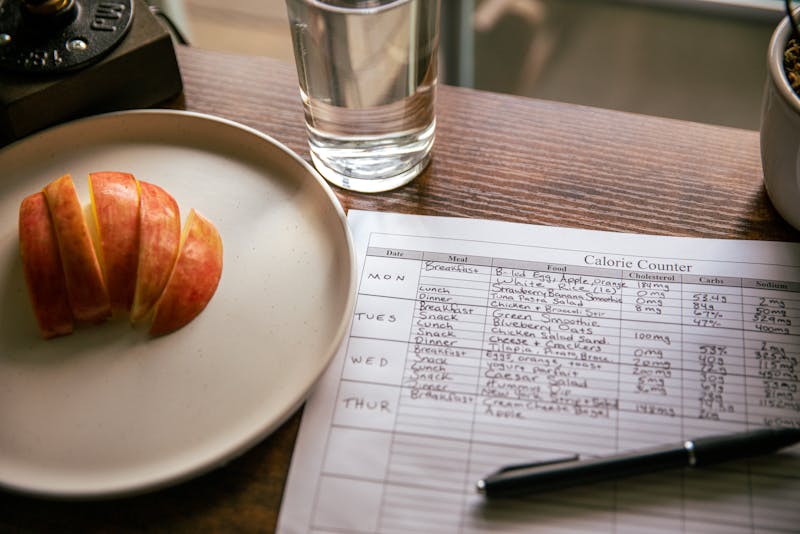
Even well-planned diets can fail when common mistakes are made. Overeating calories, skipping vegetables, or relying too heavily on processed protein products can limit results. Paying attention to food quality and portion control ensures you stay on track.
Hydration is another overlooked factor. Drinking enough water supports digestion, reduces cravings, and improves overall energy levels.
Mistakes to Watch Out For
- Eating too many processed protein bars
- Ignoring fiber intake
- Skipping meals
- Not drinking enough water
How to Maintain Results After the 7 Days
Maintaining your progress is just as important as achieving it. After completing the seven-day plan, gradually expand your food choices while maintaining protein-focused habits. This approach prevents rebound weight gain and supports long-term success.
Consistency and mindful eating are key. By continuing to prioritize protein, vegetables, and whole foods, you can maintain your results and improve your overall lifestyle.
Long-Term Tips
- Keep protein as the foundation of your meals
- Plan meals in advance
- Stay active
- Monitor portion sizes
How Does Hydration Impact Your Results on a High-Protein Diet?
Proper hydration plays a critical role in maximizing the benefits of a high-protein weight loss plan, yet it is often overlooked. Increasing protein intake slightly raises your body’s need for water because protein metabolism produces more waste products that must be flushed out through the kidneys. When you do not drink enough fluids, digestion can slow down, energy levels may drop, and feelings of hunger can become harder to distinguish from simple thirst.
Staying well-hydrated also supports better nutrient absorption, smoother digestion, and more efficient fat metabolism, all of which contribute to healthier and more consistent weight loss results.
In addition to drinking plain water, hydration can be supported through water-rich foods and unsweetened beverages. To help you stay properly hydrated during your 7-day plan, consider the following tips:
- Aim to drink a glass of water before every meal to support portion control and digestion.
- Include water-rich foods such as cucumbers, leafy greens, and citrus fruits in your meals.
- Limit sugary drinks and replace them with herbal teas or infused water.
- Monitor the color of your urine as a simple indicator of hydration; pale yellow generally signals adequate fluid intake.
By making hydration a daily priority, you can enhance digestion, reduce unnecessary cravings, and improve your overall comfort and success on a high-protein diet.
Conclusion
A structured high-protein plan can provide fast yet healthy results when done correctly. The Ultimate 7-Day Protein Diet Plan offers a realistic approach to weight loss by prioritizing balanced nutrition, manageable portions, and whole foods. It helps control hunger, preserve muscle, and support metabolism without extreme restrictions.
By following this plan and transitioning into long-term healthy habits, you can achieve lasting weight loss and improved overall well-being.