

- The egg diet for weight loss is a short-term, high-protein, low-carb plan designed to promote fast fat loss.
- High protein intake helps control hunger, reduce calorie consumption, and preserve lean muscle mass.
- Limiting refined carbohydrates encourages the body to burn stored fat for energy.
- Simple, structured meals make the diet easy to follow and reduce overeating.
- The diet works best as a short-term reset rather than a long-term eating plan.
- A gradual transition back to balanced meals is essential to prevent rapid weight regain.
Losing weight can feel overwhelming when you’re faced with countless diet trends and conflicting advice. Among these options, the egg diet stands out for its simplicity, affordability, and impressive results. Built around one of nature’s most nutrient-dense foods, this eating plan focuses on boosting protein intake while cutting unnecessary calories. Many people turn to it when they want fast but manageable weight loss without complicated meal prep.
In this guide, you’ll learn exactly how the egg diet works, why it’s effective, and how to follow it safely for sustainable results.
What Is the Egg Diet for Weight Loss?
The egg diet for weight loss is a short-term, high-protein, low-carbohydrate eating plan that centers around eggs as a primary food source. This approach limits sugar, refined grains, and high-calorie processed foods while emphasizing lean proteins and non-starchy vegetables. Its main goal is to create a calorie deficit while keeping you full and energized.
Because eggs are rich in protein, healthy fats, vitamins, and minerals, they help support muscle mass while encouraging fat loss. Most versions of the diet are followed for 7 to 14 days, making it a popular choice for those who want quick results. The simplicity of the plan also makes it appealing to beginners who are overwhelmed by complex diet structures.
Key characteristics of the egg diet include:
- High protein intake to promote fullness
- Low carbohydrates to encourage fat burning
- Simple meals that are easy to prepare
- Short-term structure for fast results
How Does the Egg Diet Work in the Body?

Understanding how the egg diet influences your body can help you follow it more effectively and avoid common mistakes. This eating plan works primarily by controlling insulin levels, increasing satiety, and promoting fat metabolism. When your carbohydrate intake drops, your body is encouraged to use stored fat for energy.
High-protein meals also require more energy to digest, which slightly increases your daily calorie burn. At the same time, steady protein intake helps preserve lean muscle mass, preventing the “skinny fat” look that can result from rapid weight loss.
The Role of Protein and Satiety
Protein is known to trigger hormones that reduce hunger, such as peptide YY and GLP-1. This means you naturally eat less without feeling deprived.
Fat Burning Through Lower Carbohydrate Intake
Reducing refined carbs lowers blood sugar spikes and supports a more stable energy level throughout the day.
What Can You Eat on the Egg Diet?
Knowing what foods are allowed ensures you stay on track and avoid accidental setbacks. While eggs are the star, the diet also allows lean proteins and vegetables that add variety and nutrients. This keeps meals satisfying while still supporting calorie control.
You can also pair the egg diet with structured plans like a 7-day protein diet plan for weight loss to further improve portion control and consistency. This combination helps create a balanced routine without overwhelming restrictions.
Commonly allowed foods include:
- Eggs (boiled, scrambled, or poached)
- Lean meats such as chicken breast, turkey, and fish
- Leafy greens and non-starchy vegetables
- Low-calorie fruits like grapefruit and berries
- Water, herbal teas, and black coffee
Foods to avoid:
- Bread, pasta, rice, and pastries
- Sugary drinks and desserts
- Processed snacks and fast food
Why Is the Egg Diet So Effective for Weight Loss?
The effectiveness of the egg diet lies in its ability to combine simplicity with proven nutritional science. By reducing carbs and increasing protein, the body naturally shifts into a more fat-burning state. This can result in noticeable changes within just a few days.
Another advantage is meal simplicity. You’re less likely to overeat when meals are structured and predictable. The repetitive nature of the diet may not be exciting, but it helps eliminate impulsive eating decisions that often sabotage weight loss efforts.
Main benefits include:
- Rapid reduction in bloating and water weight
- Improved appetite control
- Lower daily calorie intake without extreme hunger
- Easier meal planning and grocery shopping
Who Should Try (and Avoid) the Egg Diet?
While the egg diet can be helpful, it isn’t suitable for everyone. It works best for individuals seeking a short-term reset, jumpstarting a weight loss journey, or preparing for a special event. Those who enjoy eggs and simple meals often find it easier to stick to.
However, people with egg allergies, kidney issues, or certain medical conditions should avoid this plan unless supervised by a healthcare provider. It’s also not designed as a long-term lifestyle diet, as nutritional variety is limited.
Ideal candidates:
- People aiming for quick, short-term weight loss
- Individuals are comfortable with structured meal plans
- Those looking to reduce carb intake
Who should avoid it:
- Anyone with egg allergies
- People with kidney disease or cholesterol concerns
- Pregnant or breastfeeding women without medical advice
How to Transition Off the Egg Diet Safely
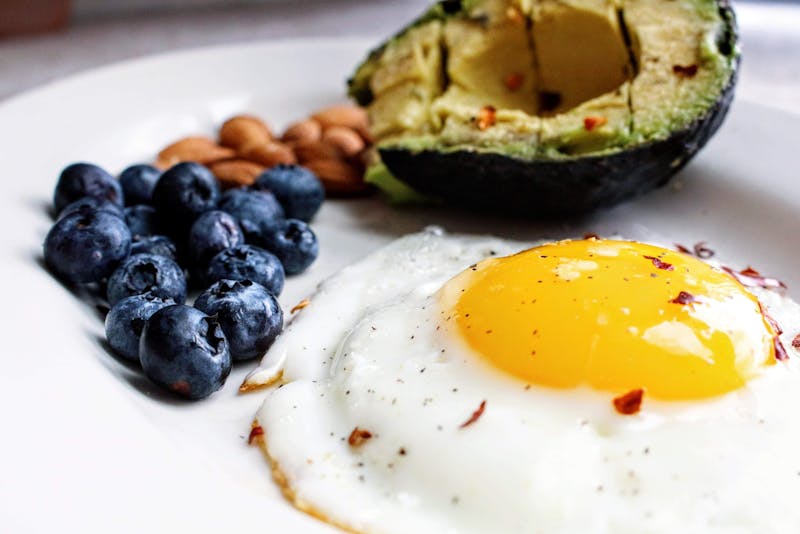
Ending the egg diet properly is just as important as following it correctly. Abruptly returning to high-calorie, high-carb meals can cause rapid weight regain. Instead, a gradual reintroduction of whole grains, fruits, and healthy fats helps maintain your progress.
This transition period also allows your digestive system to adjust smoothly. You’ll feel more energized while protecting the results you worked hard to achieve.
Helpful transition tips:
- Add complex carbs like oats and brown rice slowly
- Continue prioritizing protein at each meal
- Maintain portion control and hydration
- Keep processed foods to a minimum
Final Thoughts
The egg diet offers a simple, high-protein solution for people who want to lose weight quickly and safely. When followed responsibly and combined with a gradual transition, it can kick-start healthier habits and visible results.